Prim Kitchen: A Review for Embroidery Designers
As an experienced embroidery designer, I am always on the lookout for digital assets that bridge the gap between nostalgic charm and modern commercial viability. When I first encountered Prim Kitchen on Creative Fabrica, I was immediately drawn to its promise of historical warmth. The product description hints at an "adorable ancient embroidery" style that evokes the cozy, bustling atmosphere of historical kitchens. For those of us who specialize in Farm style aesthetics or rustic home decor, this category of Embroidery design holds significant potential. But does it hold up under the needle? Let’s dive into a practical review of how this design performs in real-world projects.
First Impressions and Visual Mood
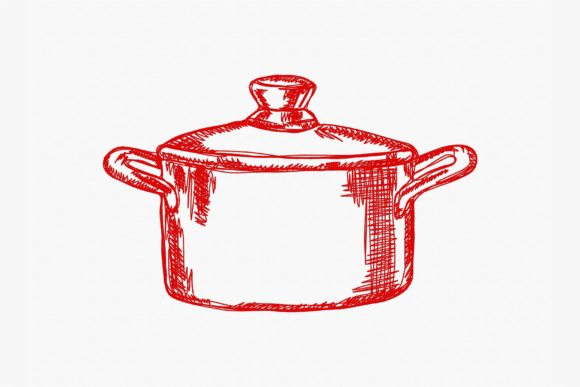
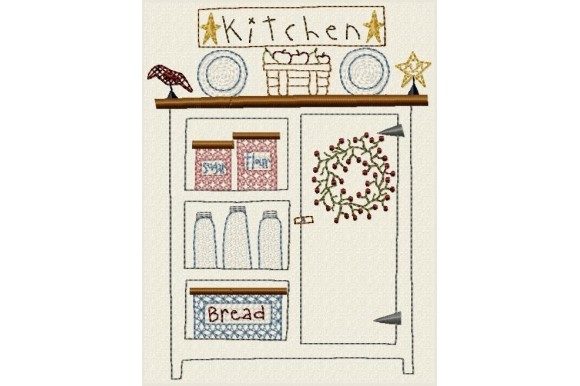
The visual mood of Prim Kitchen is distinctly inviting. It captures that specific longing for simpler times, where kitchen towels were linen heirlooms and table cloths were centerpieces of family gatherings. The design elements suggest a level of detail that requires careful attention. When reviewing any machine embroidery design, my first step is to assess the stitching personality. Does it look flat, or does it have texture? From the preview images, Prim Kitchen appears to offer a decorative appeal that relies on classic motifs. This makes it a strong candidate for customers seeking authenticity in their handmade product selections.
For Etsy sellers and small business owners, visual appeal is everything. A design that tells a story—like one that reminds viewers of historical kitchens—creates an emotional connection. This emotional hook can significantly boost customer engagement and perceived value. If you are building a brand around cottagecore, vintage revival, or rustic living, integrating Prim Kitchen into your lineup could enhance your brand consistency.
Real-World Application and Project Ideas
The versatility of a design is often what determines its profitability. The product description suggests using Prim Kitchen on kitchen towels and table cloths, which is a natural fit. However, as a creative entrepreneur, I always look beyond the obvious. Here is how I envision using this digital embroidery file across various product lines:
- Kitchen Textiles: Beyond standard towels, consider waffle-weave tea towels or heavy-duty aprons. The rustic theme pairs perfectly with natural fibers like cotton and linen.
- Home Decor: Pillow covers are a high-margin item. A well-placed embroidered motif on a neutral linen pillow can transform a living space.
- Custom Apparel: While the theme is kitchen-centric, the aesthetic works beautifully on canvas tote bags. A tote bag design featuring this motif would appeal to shoppers looking for sustainable, stylish grocery carriers.
- Seasonal Gifts: During the holidays, this design could be adapted for hostess gifts. Think embroidered pot holders or oven mitts that serve as both functional items and personalized gift options.
For those involved in commercial embroidery, the key is scalability. Can this design be resized without losing integrity? Does it work on curved surfaces like caps? These are questions we must answer through testing.
Technical Considerations for Stitching
Before running a full production batch, technical due diligence is non-negotiable. Since the specific stitch count and file formats are not detailed in the brief description, I advise checking the product page on Creative Fabrica for these critical details. However, based on the visual complexity implied by "ancient embroidery," here are some practical notes to consider:
Stitch Density and Fabric Choice: Designs with historical influences often utilize a mix of satin stitch for borders and fill stitch for larger areas. If Prim Kitchen features dense stitching, you must pair it with the correct stabilizer. For kitchen towels, which are often thin, a cut-away stabilizer might be necessary to prevent puckering, especially if the design is large. Always test on scrap fabric first. Do not assume the tension settings from a previous project will work here.
Hoop Size Constraints: Verify the required hoop size before purchasing. If the design is large, it may not fit on standard 4x4 hoops, requiring a 5x7 or larger frame. This impacts your workflow and the types of blanks you can use. For example, a large design might not fit on a standard baby blanket border but could dominate a sweatshirt chest area.
Thread Colors and Contrast: The "historical" vibe suggests earthy tones—mustards, deep greens, terracottas, and creams. Check the thread color list provided with the embroidery file. If you are stitching on dark fabric, ensure the design includes enough contrast. You may need to adjust thread colors manually in your software to maintain visibility on navy or black textiles. Also, inspect small details after stitching a test sample. Tiny elements can get lost if the running stitch paths are not optimized for the fabric texture.
Enhancing Product Value and Buyer Trust
Using high-quality design assets like Prim Kitchen directly impacts buyer trust. When a customer receives a finished product with clean, crisp stitching and a cohesive aesthetic, they are more likely to leave positive reviews and return for future purchases. The "hungry" feeling mentioned in the description is a powerful marketing angle. It suggests comfort and abundance, emotions that drive sales in the home goods sector.
For apparel decorators and handmade shop owners, presentation is key. Use printable mockup tools to visualize how Prim Kitchen looks on different items before you stitch a single thread. Compare light and dark fabric mockups to decide which inventory to stock. High-quality photography of the stitched item, highlighting the texture of the stitches, can further elevate the perceived value of your custom apparel or home decor items.
Licensing and Commercial Use
One of the most important aspects of using Creative Fabrica resources is understanding the license. Most designs on the platform come with a commercial license that allows you to sell physical finished items. However, you cannot resell the digital file itself. Before listing your embroidered patch, sweatshirt embroidery, or tote bags on Etsy or at craft fairs, confirm the specific license terms on the product page. This ensures you are protected and operating within the guidelines set by the designer.
In conclusion, Prim Kitchen offers a charming entry point for designers looking to expand their rustic or vintage collections. Its potential lies in its ability to evoke nostalgia while providing a versatile canvas for various home and apparel projects. By paying attention to technical details like stabilizer choice, hoop size, and thread contrast, you can transform this digital file into a best-selling physical product. Always remember to test thoroughly, respect licensing terms, and let the unique character of the design shine through in your final creations.