Pot One Line: A Designer’s Review for Kitchen Embroidery
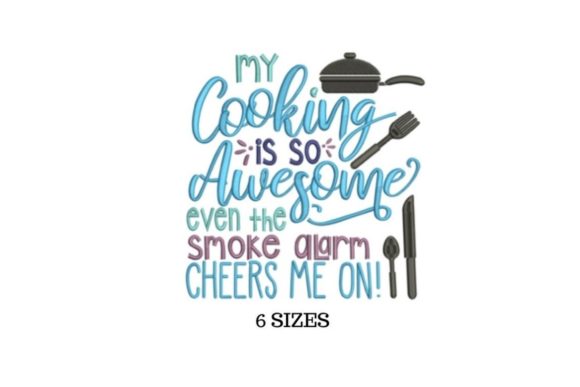
As an embroidery designer who has spent years digitizing patterns and testing them on everything from delicate silk to heavy canvas, I approach every new machine embroidery design with a critical eye. We often get swept up in the promise of intricate details, but in the world of commercial embroidery and handmade goods, simplicity often wins. Today, I am taking a close look at Pot One Line, a design that promises to express a passion for cooking through a cute and simple aesthetic. My goal here is not just to describe it, but to evaluate how it performs in real-world scenarios for Etsy sellers, boutique owners, and hobbyists alike.
First Impressions and Visual Personality
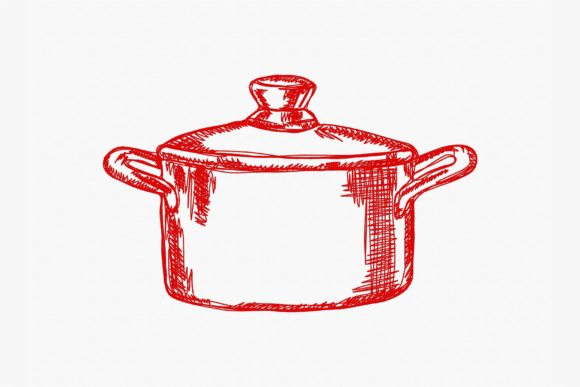
The first thing that strikes me about Pot One Line is its restraint. In a market saturated with overly complex motifs, this design relies on clean lines and minimalism. The mood it creates is warm, inviting, and distinctly domestic without being cluttered. For a Kitchen themed product, this is crucial. Kitchen textiles are functional; they are washed, wiped, and used daily. A design that is too dense can feel heavy or stiff, whereas a simpler motif like this allows the fabric to remain soft and pliable.
The visual personality of this piece suggests versatility. It does not scream for attention but rather complements the item it adorns. Whether you are stitching onto a crisp white tea towel or a textured linen apron, the design maintains its integrity. This is vital for embroidery project success because the substrate often dictates the final look more than the thread choice does.
Real-World Application: The Custom Tote Test
To truly understand the value of an embroidery file, I mentally place it into a specific production scenario. Imagine a client requests a set of reusable grocery totes for a local farmers' market brand. They want something recognizable but subtle. Pot One Line fits this brief perfectly. When stitched onto a natural cotton canvas tote bag design, the simplicity of the pot icon reads clearly from a distance.
In this context, the design acts as a badge of identity. It signals "home-cooked" and "artisanal" without needing words. For an Etsy seller or small shop owner, this means higher perceived value with lower production risk. You are not fighting against puckering fabric or excessive thread breaks. The design stitches out beautifully, maintaining a professional finish that builds customer trust. If I were producing these for a craft business, I would feel confident offering them as a standard item because the margin for error is low.
Performance Across Different Fabrics
One of the biggest challenges in commercial embroidery is consistency across different materials. Let’s break down how Pot One Line likely performs on various substrates:
- Kitchen Towels and Table Cloths: This is the natural habitat for this design. On terry cloth, ensure you use a sufficient tear-away or cut-away stabilizer to prevent the stitches from sinking into the loops. On flat-woven cotton, it will appear crisp and defined.
- Aprons: Denim or canvas aprons provide a sturdy base. The design will stand out well, especially if you choose contrasting thread colors. A white thread on navy denim creates a classic, high-end look.
- Sweatshirt Embroidery: If you move this into apparel, such as a crewneck sweatshirt, be mindful of the fabric texture. Fleece can distort simple lines if the stabilizer is not robust. However, because the design is not overly dense, it is less likely to cause the "hoop burn" or stiffness that heavier fills might.
- Caps and Curved Surfaces: Stitching on a cap requires precision. While Pot One Line is simple, ensure the placement is centered. Small, curved surfaces can distort linear designs if the hoop tension is too tight.
Technical Considerations for Designers
Before you load this digital embroidery file into your machine, there are practical steps to take. As a reviewer, I always advise testing on scrap fabric first. This allows you to check the stitch density and ensure the machine handles the transitions smoothly. Even simple designs can have tricky jump stitches or trim points that need optimization.
Pay close attention to thread color contrast. Since this is a line-based or simple shape design, the choice of thread can make or break the visibility. On light fabrics, dark threads provide definition. On dark fabrics, consider using a lighter thread or even a metallic thread for a festive holiday embroidery twist. Always test your combination on a swatch before committing to a final finished product.
Additionally, verify the hoop size requirements. While the description implies it is suitable for various items, ensure your machine’s minimum hoop size can accommodate the design without unnecessary re-hooping. For personalized gift projects, such as adding a name below the pot, check if the design includes space for text or if you need to digitize additional lettering separately.
Commercial Viability and Brand Consistency
For small business merchandise, consistency is key. Pot One Line offers a reliable asset that can be scaled across a product line. You can use it on oven mitts, pot holders, and even embroidered patch creations. This uniformity helps in building brand recognition. Customers begin to associate that simple pot icon with your quality and style.
When creating printable mockup images for your online store, this design photographs well. Its clean lines do not get lost in shadow or glare, making it easier to showcase in digital listings. This is a subtle but significant advantage for design assets used in marketing.
Where to Use Caution
While versatile, no design is universal. Be cautious when using Pot One Line on highly stretchy fabrics like jersey knits without proper stabilization. The simplicity of the design means any distortion will be immediately visible. Also, avoid placing it on areas of high friction, such as the cuffs of sleeves, unless reinforced properly. For baby embroidery, ensure all threads are secure and trimmed closely to prevent irritation, as simple designs can sometimes have loose ends if not finished correctly.
Final Verdict
Pot One Line is a solid addition to any Kitchen themed Embroidery collection. It respects the material it is stitched on and serves the function of the item it decorates. For the handmade product creator, it offers a balance of ease and aesthetic appeal. It is not trying to be the most complex design in the folder; instead, it aims to be the most reliable. And in the busy world of custom apparel and gift creation, reliability is the most valuable trait a design can possess.
Before selling any custom apparel or personalized products featuring this design, always confirm the licensing terms provided with the file. Ensure you have the rights for commercial use if you are selling the physical items. With proper preparation and attention to detail, Pot One Line can become a staple in your portfolio, delighting customers who appreciate the quiet charm of home-cooked comfort.