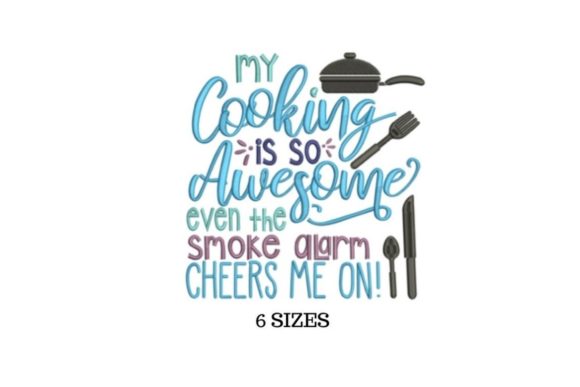
Cooking Embroidery Design Review: A Craft Fair Best Seller
As an embroidery designer who has spent countless weekends behind a booth table, I know that not every machine embroidery design translates into a sale. Some designs look fantastic on a screen but fall flat in person. Others are too complex to produce in bulk. Today, I am reviewing the Cooking design, a creative and well-digitized file intended for kitchen accessories. My goal is to evaluate this piece not just as art, but as a viable craft fair product for handmade shop owners and Etsy sellers looking to expand their inventory.
First Impressions and Visual Appeal
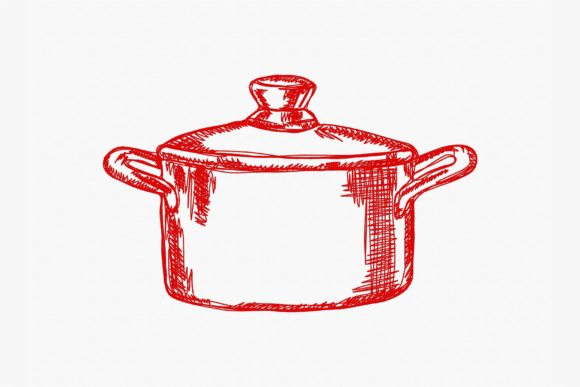
The first thing I look for in a new digital embroidery file is immediate recognizability. The Cooking design promises to add a touch of flair to your creations, and based on its description as "adorable," it likely leans into a warm, inviting aesthetic. For a kitchen-themed collection, this is crucial. Customers at a craft fair are often browsing quickly; they need to understand the theme within seconds. If this design features clean lines and a balanced composition, it serves as an excellent anchor for a cohesive booth display.
The visual appeal of Cooking depends heavily on how it handles negative space and detail. A design that is too dense can look heavy on lightweight fabrics, while one that is too sparse might lack impact from a distance. Assuming the digitization is indeed "very well done," as claimed, we should see smooth curves and minimal thread breaks. This level of quality signals premium value to buyers, distinguishing your handmade product from mass-produced imports.
Product Versatility and Market Fit
One of the strongest assets of a kitchen-themed design is its versatility. Here is how Cooking performs across various popular items:
- Apron Embroidery: This is arguably the best application. An apron provides a large, flat canvas where the design can shine as a focal point. It appeals to home cooks and professional chefs alike, making it a high-ticket item.
- Tea Towel Embroidery: Tea towels are impulse buys. If the design scales down well without losing clarity, it can turn a simple towel into a charming gift. However, you must be cautious with fabric texture; terry cloth can swallow small details.
- Tote Bag Design: Canvas totes are staples for craft fairs. Placing Cooking on a sturdy cotton tote creates a practical, stylish item for grocery runs or farmers' market trips. It reinforces the "homemade" vibe that customers love.
- Embroidered Patch: If the design holds up at a smaller size, turning it into an iron-on or sew-on patch allows customers to customize their own gear. This is a low-cost, high-margin small shop product.
- Caps and Pouches: Curved surfaces like caps require careful hooping. If the design is not too wide, it can work here, but always test on curved hoops to prevent distortion.
Production Practicality for Batch Selling
For those of us running a business, time is money. A design that is difficult to hoop or requires excessive trimming will eat into your profits. When evaluating Cooking for batch production, consider the stitch density. A well-digitized file should balance coverage with speed. If the design uses too many satin stitches in a row, it may pull on lightweight fabrics like linen or cotton blends commonly used in kitchen textiles.
Photography is another critical factor. Does the design have enough contrast to pop in photos? For your Etsy seller listings or social media posts, you need a design that looks crisp in a printable mockup or real-life photo. Simple, bold elements tend to photograph better than intricate, tiny details that blur on mobile screens. If Cooking relies on very fine lettering or micro-details, it may not translate well online, reducing click-through rates.
Careful-Use Notes and Technical Considerations
Before you commit to producing fifty units, there are technical hurdles to address. Even the best embroidery file can fail if the materials are wrong. Here are specific areas to watch:
- Fabric Choice: Kitchen items often use textured fabrics like waffle weave or terry. Ensure the design does not have tiny gaps that might get lost in the pile. Test on actual production fabric, not just stable cotton scraps.
- Stabilizer Selection: For items that will be washed frequently, such as aprons and towels, using the correct stabilizer is non-negotiable. A cut-away stabilizer is often best for durability, ensuring the design does not pucker after multiple wash cycles.
- Thread Colors: Kitchen themes often benefit from warm, appetizing colors or clean, modern neutrals. Avoid neon threads unless the design specifically calls for a playful, retro vibe. Check your thread chart against the design’s recommended palette to ensure vibrancy.
- Hoop Size: Confirm the required hoop size before purchasing. If the design is large, you may need a 5x7 or larger hoop, which limits the types of machines that can run it efficiently. Smaller hoops allow for faster multi-hooping but may require repositioning.
Enhancing Brand Consistency and Buyer Engagement
Using a consistent design theme like Cooking helps build brand recognition. If your booth features a cohesive look—matching aprons, towels, and totes—customers perceive your brand as professional and curated. This consistency increases perceived value. A single embroidered item might sell for $15, but a coordinated set featuring the same high-quality commercial embroidery can command a higher price point.
Furthermore, this design can serve as a conversation starter. When customers ask about the motif, you can share the story behind the digitization process or the inspiration for the kitchen theme. This personal connection is what drives sales at craft fairs. It transforms a simple transaction into an engagement with your creative process.
Final Designer Recommendations
Before listing Cooking as a finished product or including it in your design assets library, take these final steps:
- Test on Scrap Fabric: Always run a test stitch-out on the exact fabric you plan to sell. Check for puckering, thread breaks, or registration issues.
- Check Commercial Licensing: Ensure your purchase of the digital embroidery file includes rights for selling finished physical goods. Never assume; read the license terms carefully.
- Create Real Mockups: While digital mockups are useful, nothing beats a photo of the actual stitched item. Use good lighting to highlight the texture and quality of the stitches.
- Evaluate Scale: If the design feels too small on a tote bag, consider resizing it or adding complementary text. If it feels too crowded on a pocket, simplify the background elements.
In conclusion, the Cooking design has strong potential as a versatile, appealing addition to a kitchen-focused embroidery line. By paying attention to production details, fabric choices, and presentation, you can turn this adorable design into a reliable revenue stream for your handmade business. Whether you are an experienced Etsy seller or a weekend warrior at the local market, this design offers the charm and quality that today’s buyers are seeking.