Eyes for Toys, Dolls, Artisanal No3: A Designer’s Review
As an embroidery designer who has spent years digitizing files for small businesses and boutique brands, I approach every new machine embroidery design with a critical eye. It is not enough for a pattern to look cute on a screen; it must perform under the needle, withstand washing, and elevate the brand identity of the client using it. Recently, I evaluated Eyes for Toys, Dolls, Artisanal No3, a digital asset marketed toward crafters and makers. While the product description highlights its utility for self-made dolls and artisanal toys, my focus was strictly on its viability for commercial applications. Can this whimsical design translate into professional branded merchandise? Here is my detailed review for shop owners, apparel decorators, and Etsy sellers.
First Impressions: Visual Personality and Professionalism
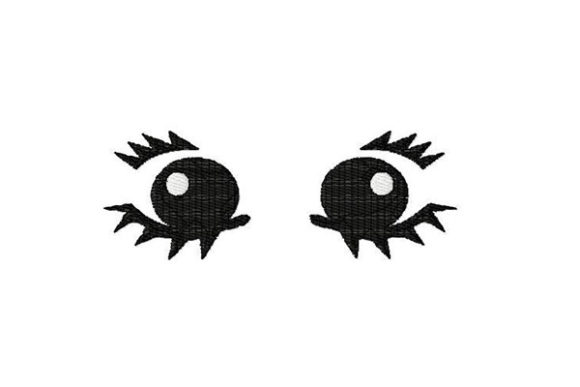
The title Eyes for Toys, Dolls, Artisanal No3 immediately suggests a playful, handmade aesthetic. In the world of custom apparel and accessories, "artisanal" implies a touch of rustic charm and high-quality craftsmanship. Upon initial inspection, the design feels friendly and approachable rather than corporate or stiff. This is a significant advantage for businesses in the creative sector, such as bakeries, florists, pet brands, or independent toy makers. The visual language communicates warmth and attention to detail, which are crucial elements for building customer trust in the handmade market.
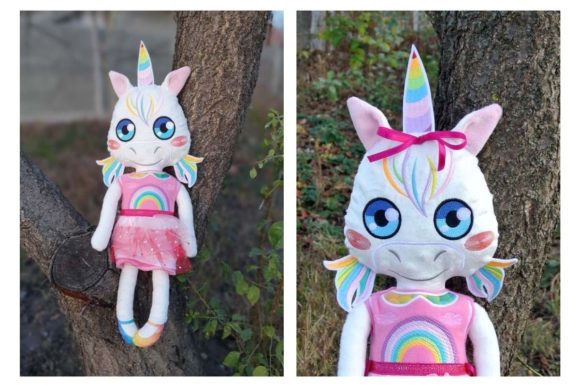
However, for a design to be considered professional, it must maintain clarity at various scales. The description notes that the model gives life to self-made dolls, suggesting expressive features. For a business owner, this expressiveness can be leveraged to create memorable brand markers. Whether used on a tote bag or a staff apron, the design needs to convey personality without appearing cluttered. My assessment is that this design leans heavily into the decorative and playful spectrum, making it ideal for brands that want to appear accessible and creative.
Real-World Business Applications
The versatility of a digital embroidery file is determined by how well it adapts to different substrates. The product description states that this design comes with multiple file formats and sizes, ensuring compatibility with a large variety of embroidery machines. This is a critical feature for small business merch production, where you might switch between a single-needle home machine for prototypes and a multi-needle industrial machine for bulk orders.
- Embroidered Patches: This is perhaps the strongest use case. An embroidered patch featuring these eyes could serve as a unique label for handmade products, replacing woven tags with something more tactile and premium.
- Custom Apparel and Uniforms: For a boutique café or a creative studio, placing this design on the chest pocket of a work shirt or as a sleeve detail adds a subtle branding element that sparks conversation.
- Cap Embroidery: Caps require designs that are compact and durable. If the scale is adjusted correctly, this motif can work on the front panel, offering a quirky alternative to standard text logos.
- Tote Bag Design: Canvas bags benefit from bold, simple graphics. The artisanal nature of the design complements the natural texture of cotton canvas, enhancing the perceived value of the finished product.
- Apron Embroidery: For bakers or florists, an apron with this design reinforces the handmade narrative, connecting the staff’s appearance directly to the product’s origin story.
Technical Considerations and Production Challenges
While the aesthetic appeal is clear, technical execution requires careful planning. When working with any embroidery file, one must consider stitch density and fabric texture. The description mentions high quality, but as a designer, I advise testing the design on your specific materials before committing to a full production run.
Stitch Density and Fabric Texture: If the design has dense stitching to create depth in the "eyes," it may pucker lightweight fabrics like silk or thin cotton. For tote bags and heavy denim, this is less of an issue, but for delicate doll clothing or fine apparel, a lighter digitizing version might be necessary. Always check if the design allows for adjustment in density or if it is fixed.
Hoop Size and Placement: Since the file comes in multiple sizes, ensure you select the appropriate hoop size for your project. A design intended for a doll’s face might be too small for a cap front unless scaled up significantly. Conversely, scaling it up too much for a large tote bag might reveal jagged edges if the original vector data was not high resolution. Always inspect the spacing between elements when resizing.
Thread Colors and Contrast: The success of this design relies heavily on thread color contrast. On dark uniforms or black caps, light-colored threads will pop, but you must ensure the underlying stabilizer does not show through. Test it in black and white first to verify that the shape remains recognizable without color reliance. This is a crucial step for creating effective printable mockups for client approval.
Brand Identity and Customer Engagement
Incorporating Eyes for Toys, Dolls, Artisanal No3 into your product line does more than just decorate an item; it strengthens your brand identity. In a saturated market, visual consistency is key. If your brand values creativity, whimsy, and handcrafted quality, this design acts as a visual shorthand for those values. Customers often associate intricate embroidery with higher effort and higher value, which can justify premium pricing for your small business merch.
Furthermore, using such distinctive design assets can enhance buyer engagement. A unique patch on a package or a subtle embroidery detail on a gift item creates an unboxing experience that feels personal and thoughtful. This emotional connection fosters loyalty and encourages social sharing, which is invaluable for Etsy sellers and online boutiques.
Practical Designer Notes for Implementation
Before you integrate this design into your commercial embroidery workflow, follow these practical steps to ensure a high-quality finished product:
- Verify Commercial Licensing: The description mentions usability for various machines but does not explicitly detail license terms. Always confirm that the purchase includes rights for commercial use before selling items featuring this design.
- Test on Real Fabric: Do not rely solely on digital simulations. Stitch out the design on the actual fabric you intend to use, whether it is twill for patches or jersey for shirts.
- Use Proper Stabilizer: Choose a stabilizer that matches your fabric weight. Cut-away stabilizers are generally better for stretchy fabrics, while tear-away works for stable wovens.
- Check File Formats: Ensure the provided formats match your machine’s requirements (e.g., PES, DST, EXP). The claim of multiple formats is beneficial, but verify compatibility early.
- Create Mockups: Use the design in a printable mockup to visualize how it looks alongside your other design assets. This helps maintain visual consistency across your product line.
In conclusion, Eyes for Toys, Dolls, Artisanal No3 offers a charming and versatile option for businesses looking to add a handmade touch to their merchandise. While it requires careful technical handling regarding stitch density and placement, its potential for enhancing brand identity and customer engagement is significant. For artisans and small business owners willing to invest time in proper testing and presentation, this design can be a valuable addition to their creative toolkit.