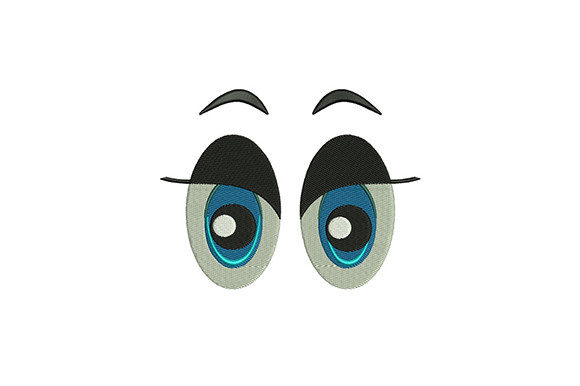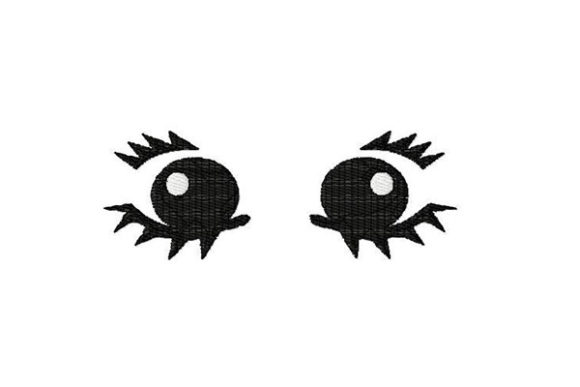
Eyes for Toys, Dolls, Artisanal No2: A Designer’s Review
As an embroidery designer who has spent years digitizing files and consulting with small business owners, I approach every new machine embroidery design with a critical eye. It is not just about whether a pattern looks cute on a screen; it is about how it performs under the needle, how it translates to fabric, and ultimately, how it serves the brand identity of the client using it. Today, I am reviewing Eyes for Toys, Dolls, Artisanal No2, a digital asset that promises to bring life to self-made dolls and various fabric items. While the title suggests a niche focus on toys, my assessment explores its viability for broader commercial embroidery applications, from boutique merchandise to branded staff uniforms.
First Impressions: Visual Personality and Brand Fit
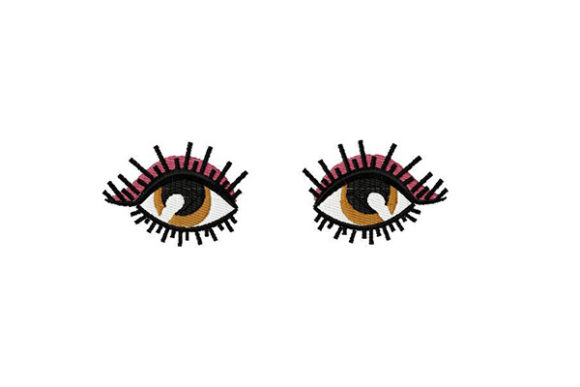
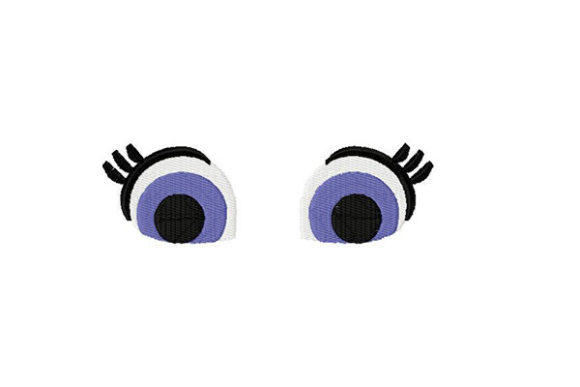
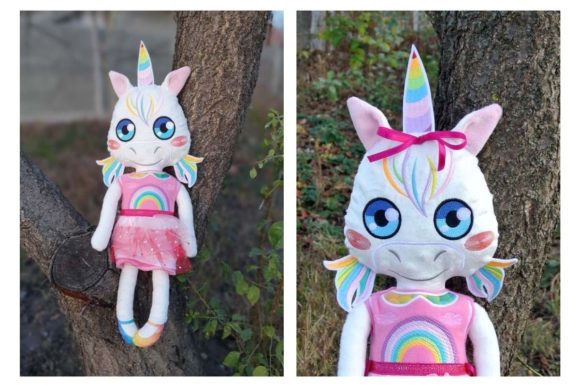
The initial impression of Eyes for Toys, Dolls, Artisanal No2 is one of approachable charm. The description highlights that this cute embroidery gives life to self-made dolls, which immediately signals a playful, handmade aesthetic. For businesses in the creative sector, such as artisanal bakeries, independent florists, or handmade craft studios, this visual personality is invaluable. It does not scream corporate rigidity; instead, it offers a rustic, friendly vibe that resonates with customers seeking authentic, human-centric brands.
However, "cute" can sometimes be mistaken for "amateur." In this review, I look closely at the structure. Does it maintain integrity when scaled? The versatility mentioned—looking great on T-shirts, jackets, pillows, and towels—suggests a balanced stitch path. For a small business owner, this means the design can bridge the gap between whimsical product creation and professional branded apparel without losing its core identity.
Real-World Business Applications
Let us move beyond the doll-making niche and consider how Eyes for Toys, Dolls, Artisanal No2 functions in a real-world commercial setting. If you run a local café or a boutique pet brand, this design could serve as an excellent accent for customer gifts or staff apparel. Here is how it performs across different mediums:
- Embroidered Patches: This is perhaps the strongest use case. An embroidered patch allows for high visibility and durability. Placing this design on a denim jacket or a canvas tote bag creates a distinct brand marker that feels premium and tactile.
- Custom Apparel and Uniforms: For staff at a creative studio or a children’s workshop, this design works well as a chest logo accent or sleeve detail. It adds personality to standard work shirts or aprons, making the team feel part of a cohesive, friendly community.
- Tote Bag Design: Reusable bags are a staple for eco-conscious brands. The design’s ability to look good on "mostly any piece of fabric" makes it ideal for canvas totes, where simple, bold imagery often reads best.
- Product Packaging Accents: Imagine a small ribbon or a fabric tag attached to your handmade product packaging. This embroidery file can be scaled down to create a unique seal of quality, enhancing the unboxing experience for Etsy buyers.
Technical Considerations for Production
While the aesthetic appeal is clear, technical execution is where many small business owners stumble. When using Eyes for Toys, Dolls, Artisanal No2, you must consider the physical constraints of your embroidery machine and the materials you are using.
Fabric Texture and Stabilizer: The description mentions towels and jackets. These are vastly different textures. A towel requires a strong cut-away stabilizer to prevent the stitches from sinking into the pile, while a jacket might need a tear-away or heat-seal backing depending on the lining. Always test the design on a scrap piece of your actual production fabric before running a full batch. This prevents wasted thread and ruined garments.
Stitch Density and Scale: One common pitfall with detailed designs is reducing them too much. If you plan to use this as a small patch or a cap embroidery element, check the stitch density. High density in a small area can cause puckering or thread breaks. Since the product comes with multiple embroidery formats, ensure you are selecting the version optimized for your specific hoop size. If the design relies on fine outlines, it may lose definition at very small scales, so a test stitch-out is non-negotiable.
Thread Colors: To maintain brand consistency, map the design’s default colors to your brand palette. If your brand uses specific Pantone matches, you may need to adjust the thread colors in your software. Ensure there is enough contrast between the elements so the "eyes" remain expressive and do not blend into the background fabric, especially on dark uniforms.
Enhancing Brand Identity and Customer Trust
In the world of small business merch, consistency builds trust. Using a distinctive design like Eyes for Toys, Dolls, Artisanal No2 across various touchpoints creates a recognizable visual language. When a customer sees this same charming motif on your website, your packaging, and your staff’s apron embroidery, it reinforces professionalism. It signals that attention to detail is a core value of your business.
Furthermore, handmade products benefit immensely from visible craftsmanship. An embroidered element feels more valuable than a printed one. It suggests longevity and care. For Etsy sellers and crafters, this perceived value can justify a higher price point. It transforms a simple item into a collectible piece of art. The design acts as a signature, much like an artist signing a painting, which fosters a deeper emotional connection with the buyer.
Practical Designer Notes for Implementation
Before you integrate this digital embroidery file into your production line, follow these practical steps to ensure success:
- Test in Black and White: Remove color variables to check the structural integrity of the design. If it looks muddy or unclear in monochrome, it may need adjustment before adding complex thread colors.
- Verify Commercial Licensing: The description notes it is a machine embroidery design, but always confirm the license terms. Ensure you have the right to use it for commercial purposes, especially if you are selling finished products or branded merchandise.
- Create a Printable Mockup: Use design assets to create a digital mockup for client approval or social media previews. This helps visualize the final product without wasting physical materials.
- Check Hoop Size Compatibility: Confirm that the design fits within your machine’s maximum hoop size. If you are doing large-scale jacket backs, ensure the resolution holds up. For small caps, ensure the minimum size requirements are met.
- Compare Beside Other Assets: Place this design next to your existing logos and fonts. Does it complement your current brand identity, or does it clash? Visual consistency is key to a polished look.
Final Verdict
Eyes for Toys, Dolls, Artisanal No2 is a versatile and charming addition to any embroidery designer’s library. While its roots are in toy making, its application extends far beyond. For small business owners looking to add a touch of warmth and professionalism to their custom apparel, patches, and accessories, this design delivers. By paying attention to stabilizer choices, thread contrast, and scale, you can transform this digital file into a powerful tool for brand building. Whether it is adorning a barista’s apron or embellishing a boutique’s tote bags, it offers the handmade authenticity that modern consumers crave.