Mermaid Fairy Tale: A Designer’s Review for Craft Fairs
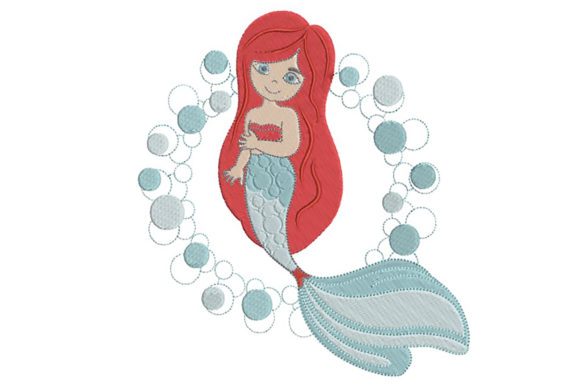
As an embroidery designer who has spent countless weekends behind a booth table, I know that not every design translates equally well from screen to stitch. When I first loaded the Mermaid Fairy Tale machine embroidery design into my software, I was looking for more than just aesthetic appeal. I was evaluating its potential as a high-converting craft fair product. This cute embroidery comes straight from childhood fairy tales, and that nostalgic pull is exactly what stops browsers in their tracks at handmade markets.
First Impressions and Visual Appeal
The immediate vibe of this design is whimsical and soft. It does not scream for attention with aggressive boldness; rather, it invites curiosity. For sellers targeting the children’s market or those who appreciate gentle, storybook aesthetics, this piece fits perfectly. It feels decorative and premium without being overly complex. In a sea of rustic farmhouse signs and minimal geometric patterns, a well-executed fairy tale motif stands out because it taps into emotion. Customers do not just buy the thread; they buy the memory of bedtime stories and imaginary oceans.
When considering where this design shines, I look at its versatility. The description notes it is suitable for children's room decorations, gifts, and adorable apparel. This breadth is crucial for a small shop product. It means you are not limited to one niche. You can create a cohesive collection that spans home decor and wearable art, increasing the average transaction value at your booth.
Product Applications for Maximum Sales
To truly evaluate the commercial viability of Mermaid Fairy Tale, we must look at specific substrates. Here is how I would deploy this design in a real-world selling scenario:
- Tote Bag Design: A canvas tote is the perfect canvas for this motif. The flat surface allows the details to remain crisp. Place it centrally for a focal point or off-center for a modern, boutique look. It transforms a basic bag into a cherished everyday accessory.
- Apron Embroidery: Children’s aprons or even adult baking aprons with a whimsical twist sell incredibly well during holiday seasons. The design adds a layer of charm that mass-produced items lack.
- Tea Towel Embroidery: Kitchen textiles are impulse buys. However, caution is needed here. Ensure the stitch density is appropriate for terry cloth or linen. If the design is too dense, it may pucker the fabric. Use a strong cut-away stabilizer to maintain integrity.
- Embroidered Patch: If the design scales down well, turning it into an iron-on or sew-on patch is a brilliant move. Patches are low-cost, high-margin items that allow customers to customize their own jackets or bags later.
- Pillow Covers: For nursery decor, this design on a soft minky or cotton pillow cover creates an instant heirloom quality item. Parents are willing to pay a premium for unique, handmade nursery accents.
Production Practicality and Batch Efficiency
For the Etsy seller or weekend warrior, time is money. The description mentions that this machine embroidery design comes with multiple formats, which is a good sign for compatibility. However, before committing to batch production, you must assess the stitch count and complexity. A design that takes forty-five minutes to stitch limits your output. Ideally, you want a design that balances detail with speed.
Photography is another critical factor. Does Mermaid Fairy Tale photograph well? Designs with clear outlines and distinct thread colors tend to pop in digital listings. If the design relies on subtle shading, ensure your lighting highlights the texture. A strong printable mockup can help visualize the final product, but nothing beats a physical sample. Create at least one real mockup on your intended fabric to check for shadowing or thread breaks.
Navigating Technical Challenges
While the artistic merit is high, practical execution requires vigilance. Here are specific areas where this design might face challenges:
- Fabric Texture: Textured towels or thick denim can obscure fine details. If the fairy tale elements include small fins or facial features, test on smooth cotton first. If moving to textured fabric, consider simplifying the underlay or adjusting the pull compensation.
- Curved Surfaces: Embroidering on caps is tricky. The curved surface distorts the design. Ensure the hoop size accommodates the cap frame and that the design is centered correctly to avoid wrapping around the sides.
- Dark Fabric: If stitching on navy or black, you may need to adjust thread colors for contrast. Pastel threads might get lost. Consider using a lighter backing or adjusting the color palette in your software to ensure the mermaid stands out.
- Small Lettering: If the design includes text, verify its legibility at smaller sizes. Tiny lettering often merges when stitched. If clarity is lost, consider removing text or enlarging the design for specific products.
Enhancing Brand Consistency and Buyer Engagement
Using a cohesive theme like Fairy Tales helps build brand recognition. If your booth features Mermaid Fairy Tale on tote bags, matching hair accessories, and wall art, you create a visual narrative. This consistency signals professionalism and care. Buyers engage more deeply with products that tell a story. They are not just buying an embroidered item; they are buying into a world of imagination.
Furthermore, this design supports commercial embroidery efforts by offering versatility. It appeals to grandparents buying gifts, parents decorating rooms, and young adults seeking nostalgic apparel. By covering these demographics, you widen your customer base without diluting your brand identity.
Final Designer Notes and Licensing
Before you list this as a finished product or include it in your digital embroidery file shop, take these final steps. First, always test the design on scrap fabric identical to your production material. Check thread contrast and inspect stitch density. Too many stitches in one area can cause puckering or needle breaks. Use the right stabilizer—tear-away for stable woven fabrics and cut-away for stretchy knits.
Second, confirm commercial licensing. The description implies use for creating products, but always read the specific terms provided by the designer. Ensure you are compliant with usage rights for both physical goods and any digital assets you might create, such as printable mockups or design assets for other crafters.
Finally, remember that the success of Mermaid Fairy Tale depends on your execution. High-quality thread, precise tension, and careful hooping will elevate this design from a simple pattern to a standout handmade product. Whether you are an experienced embroidery business owner or a creative entrepreneur just starting, this design offers a charming entry point into the lucrative market of whimsical, story-driven decor and apparel.