Dizzy Emoji: A Designer’s Review for Boutique Sweatshirts
As an embroidery designer who has spent years refining digitizing techniques for small clothing brands, I approach every new machine embroidery design with a critical eye. It is not just about whether the file opens correctly; it is about how that design translates into a tangible, sellable handmade product. Recently, I evaluated Dizzy Emoji for an upcoming limited drop of premium sweatshirts for a boutique client. The goal was simple: find a graphic that balances playful energy with professional finish. Here is my honest assessment of how this design performs in a real-world commercial setting.
First Impressions and Aesthetic Mood
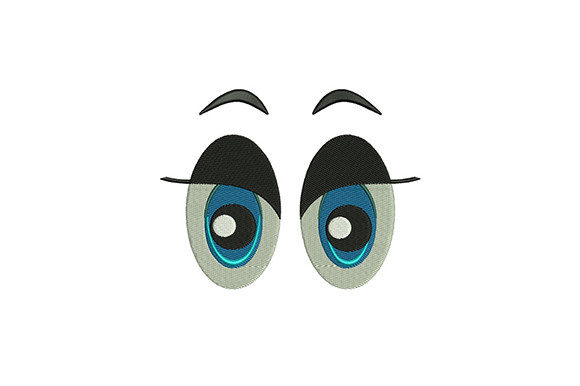
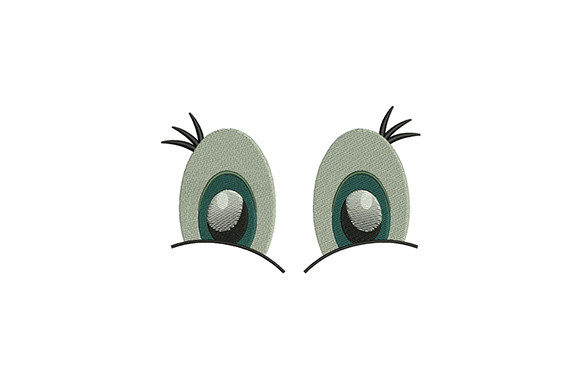
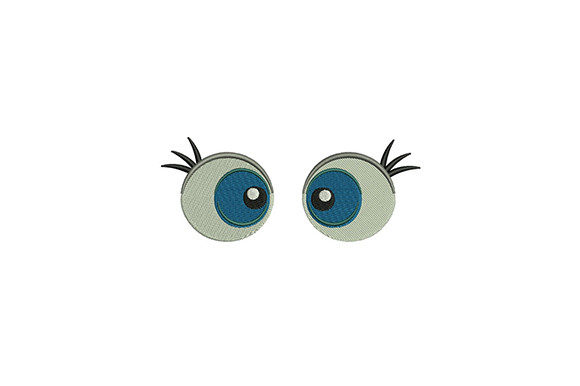
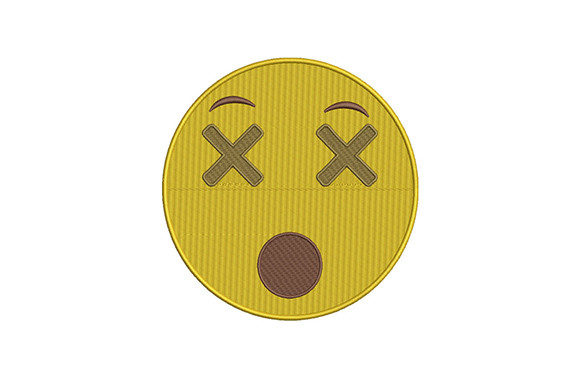
The first thing that strikes you about Dizzy Emoji is its inherent personality. In the world of Friends and social connection, emojis have become a universal language. This particular design captures a moment of whimsical confusion or playful disorientation, which resonates deeply with current fashion trends that favor irony and humor. The layout is compact yet expressive, making it ideal for various placements without overwhelming the garment.
From a visual standpoint, the design feels both cute and bold. It does not rely on excessive shading or complex gradients, which is a significant advantage for embroidery. Instead, it uses clean lines and solid fills to create a graphic look that reads well from a distance. For a boutique brand aiming to project a youthful, approachable image, this aesthetic is spot-on. It avoids the rustic or overly minimal vibes, leaning instead into a decorative, pop-culture-inspired style that appeals to younger demographics and creative entrepreneurs alike.
Performance on Sweatshirt Fabric
The true test of any embroidery file is how it interacts with fabric. For this review, I focused on sweatshirt embroidery, specifically using mid-weight cotton blends and fleece-backed materials. Dizzy Emoji proved to be remarkably versatile. On neutral sweatshirts, such as heather grey or oatmeal, the design popped with clarity. The contrast allowed the stitching to stand out without looking harsh.
When tested on dark fabric, such as navy or black hoodies, the design required careful selection of thread colors. Bright yellows and whites worked exceptionally well to maintain visibility. However, I noticed that on very plush, high-pile fleece, the finer details needed a bit more attention during the hooping process to ensure the fabric did not sink into the stitches. This is where the quality of the digitizing shines; the design is described as easy to stitch, and in practice, it behaved well, minimizing puckering when paired with the right stabilizer.
For pastel colors, the design took on a softer, more feminine tone. It felt less like a bold statement and more like a subtle accent, perfect for spring collections or cozy seasonal apparel. Whether placed on an oversized hoodie or a fitted crewneck, the scale remained appropriate, neither too tiny to notice nor so large that it distorted the drape of the garment.
Strategic Placement and Branding Opportunities
One of the strongest assets of Dizzy Emoji is its flexibility in placement. For an Etsy seller or small shop owner, versatility equals profit. I experimented with several standard positions:
- Chest Placement: Centered on the left chest, the design acts as a classic logo substitute. It builds brand recognition while keeping the look clean and professional.
- Sleeve Accents: Placed on the upper sleeve, it adds a trendy, unexpected detail that encourages customers to show off the design in lifestyle product photography.
- Back Designs: While smaller than typical back prints, scaling it up slightly for the upper back creates a fun, casual vibe suitable for streetwear-inspired collections.
This adaptability makes it a valuable addition to your design assets. It allows for consistent branding across different product types, from hoodies to tote bags, enhancing the perceived value of your custom apparel line. When creating printable mockup previews for your online store, this design renders beautifully, helping potential buyers visualize the finished product instantly.
Technical Considerations for Commercial Use
For those engaging in commercial embroidery, technical reliability is non-negotiable. Dizzy Emoji is marketed as a high-quality design that is fun and easy to stitch, and my testing supports this claim. However, there are practical concerns every designer must address before running a production batch.
First, consider stitch density. While the design is efficient, dense fabrics require a cut-away stabilizer to prevent distortion over time. For lighter fabrics, a tear-away might suffice, but for heavy sweatshirts, I strongly recommend a medium-weight cut-back to ensure longevity. The hoop size required is modest, which is beneficial for speed and efficiency, allowing you to hoop multiple items quickly.
Another critical factor is small-size readability. If you plan to offer this as a petite accent, ensure that the smallest elements of the emoji remain distinct. In my tests, the design held up well even at smaller scales, thanks to smart digitizing that avoids overly tight satin stitches which can cause thread breaks.
Washing durability is also paramount for apparel. The solid fill areas in Dizzy Emoji anchor the design securely, reducing the risk of unraveling after repeated washes. This reliability builds buyer trust, a crucial component for any growing small shop product line.
Enhancing Product Value and Customer Engagement
Beyond the technical specs, Dizzy Emoji offers intangible benefits. Emojis are emotionally resonant; they evoke a reaction. A customer scrolling through an online store is more likely to pause on a product that makes them smile. This emotional connection can significantly boost customer engagement and conversion rates.
Furthermore, using a recognizable yet unique design helps establish your brand identity. It signals that your brand is current, fun, and attentive to detail. For digital sellers offering this as part of a bundle, it adds variety to their catalog. For physical product creators, it provides a ready-made bestseller candidate.
It is important to note that while this digital embroidery file comes with multiple formats, you should always verify the specific compatibility with your machine before purchase. Check the included embroidery file types to ensure they match your software requirements. Additionally, confirm the license terms if you plan to use it for mass commercial production, as policies can vary between designers.
Final Verdict for Creative Entrepreneurs
In conclusion, Dizzy Emoji is a strong contender for any embroidery designer’s library. It bridges the gap between playful novelty and professional execution. Its ability to adapt to various fabric texture types and color palettes makes it a low-risk, high-reward addition to your next collection. Whether you are launching a new hoodie design series or refreshing your existing inventory, this design delivers the quality and charm that modern consumers seek. By paying attention to stabilizer choices and thread contrast, you can ensure that every finished product meets the high standards of your boutique brand.